
Why Three Stars Can Beat Five
City centre hotel inYork
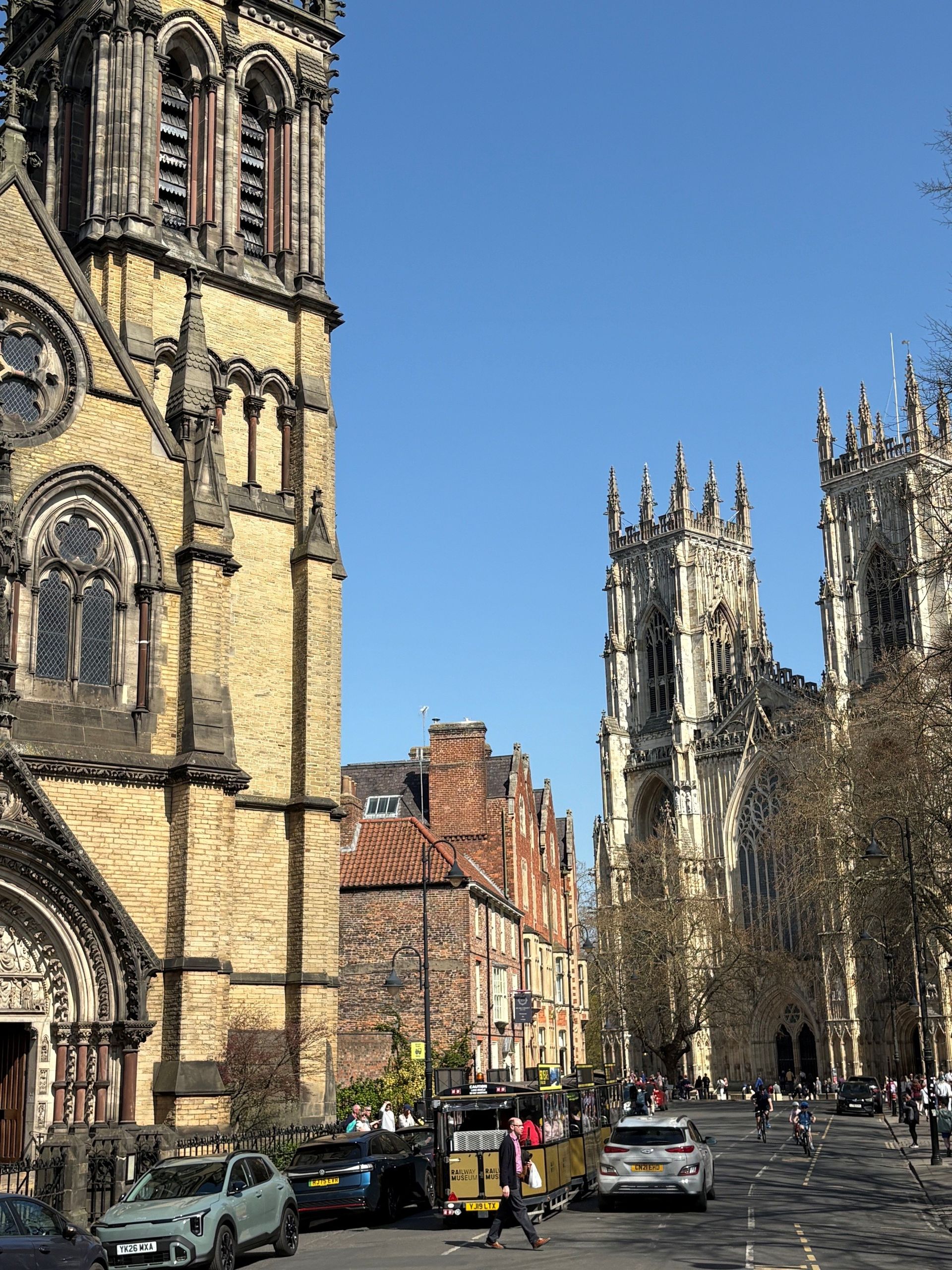
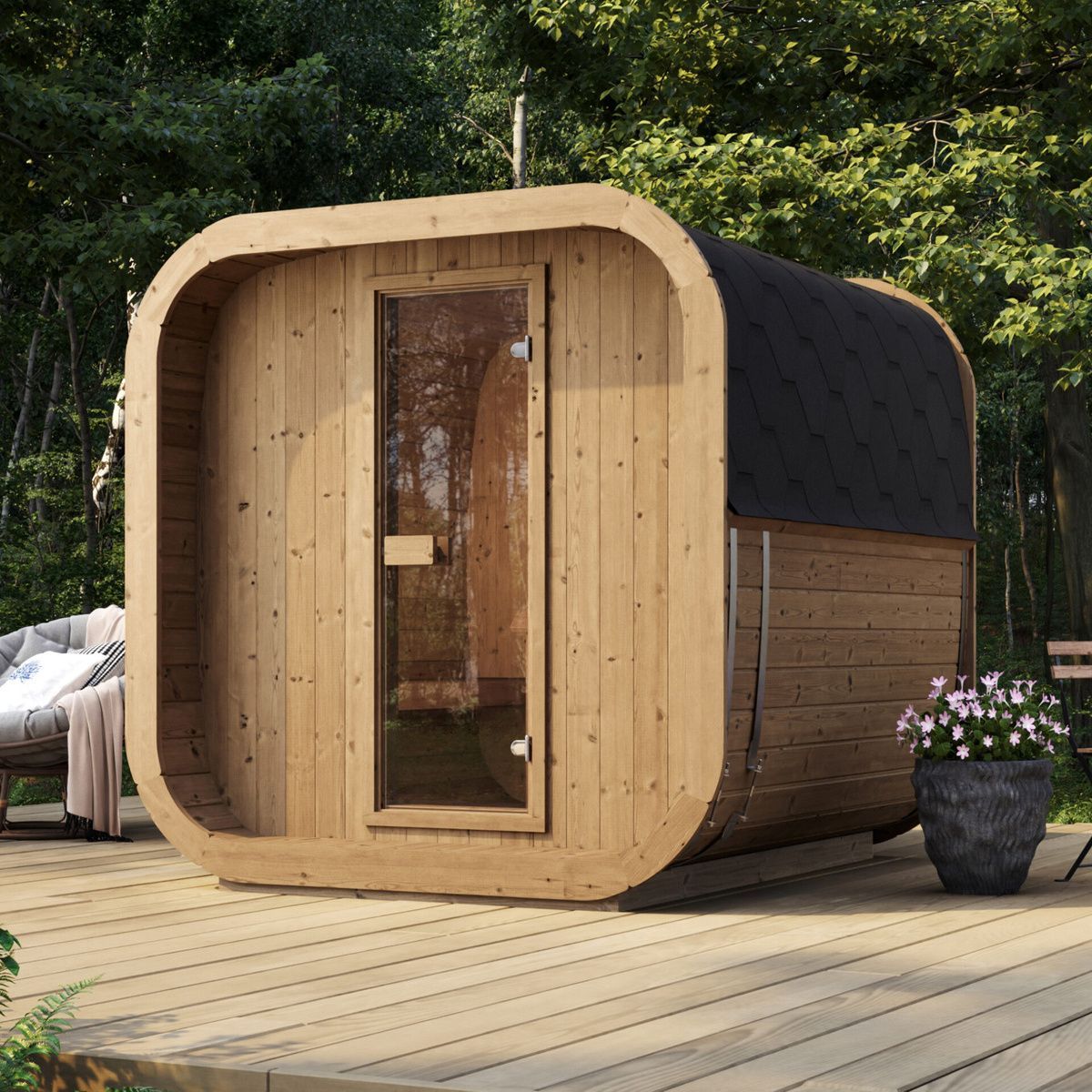
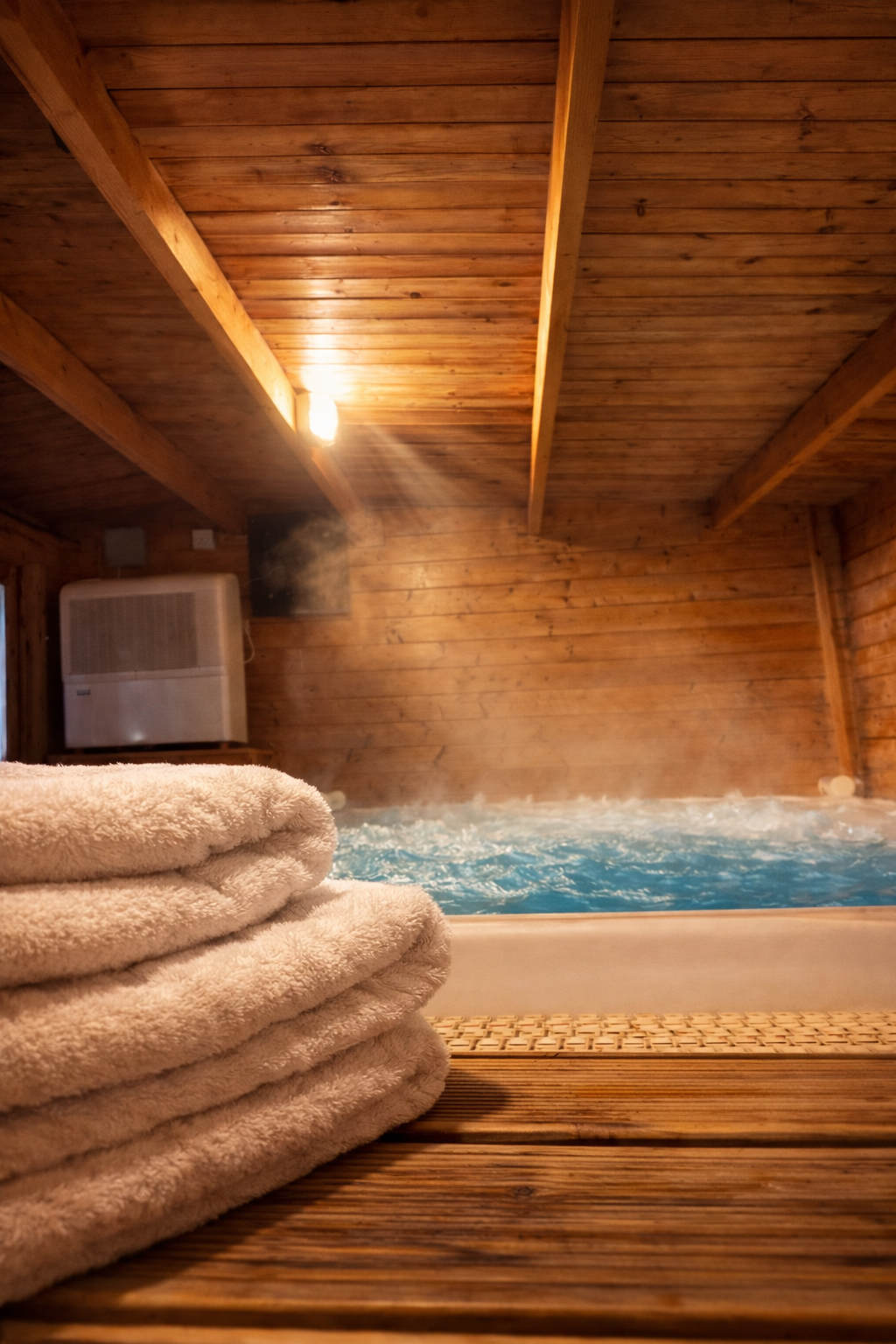
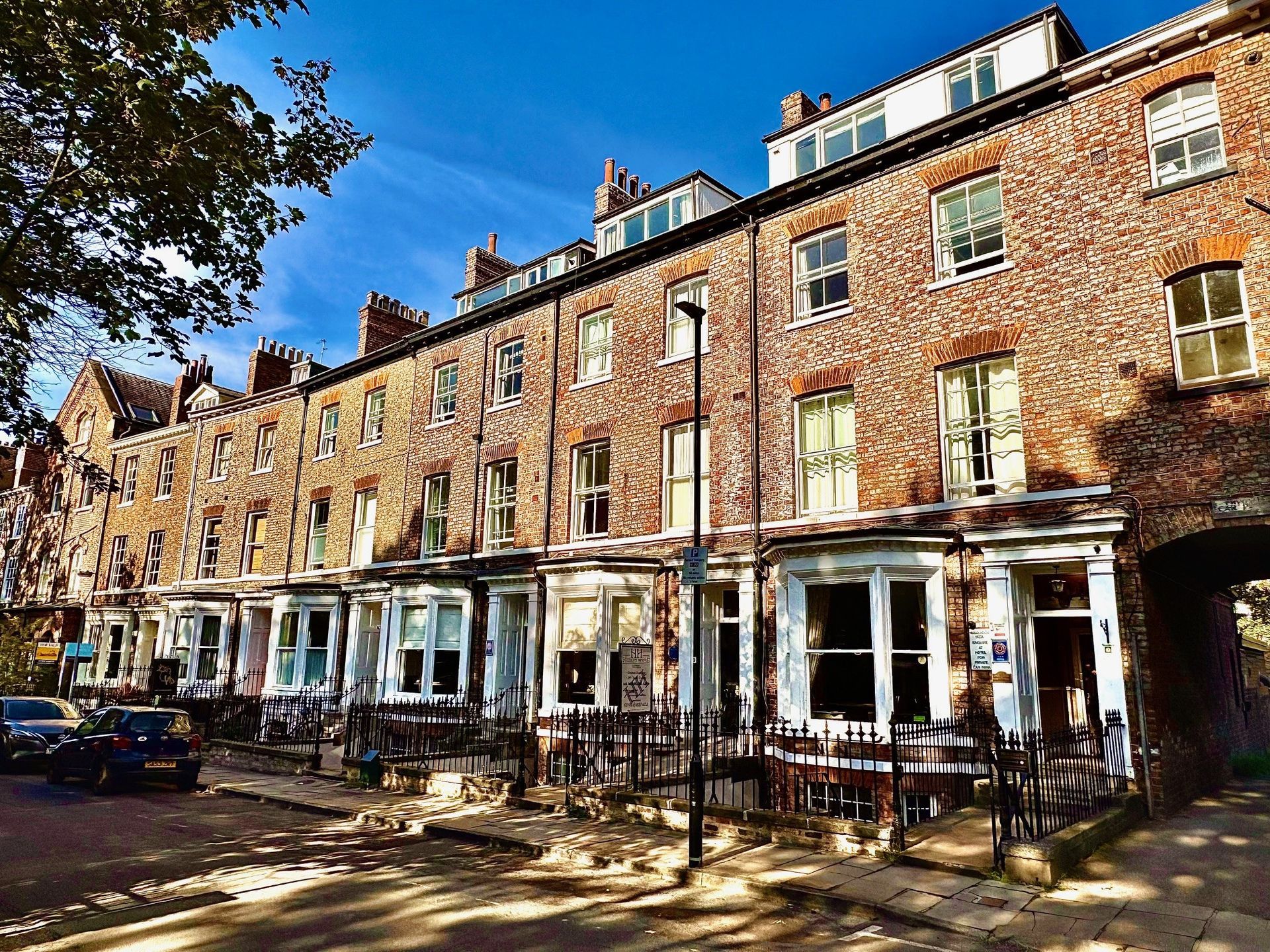
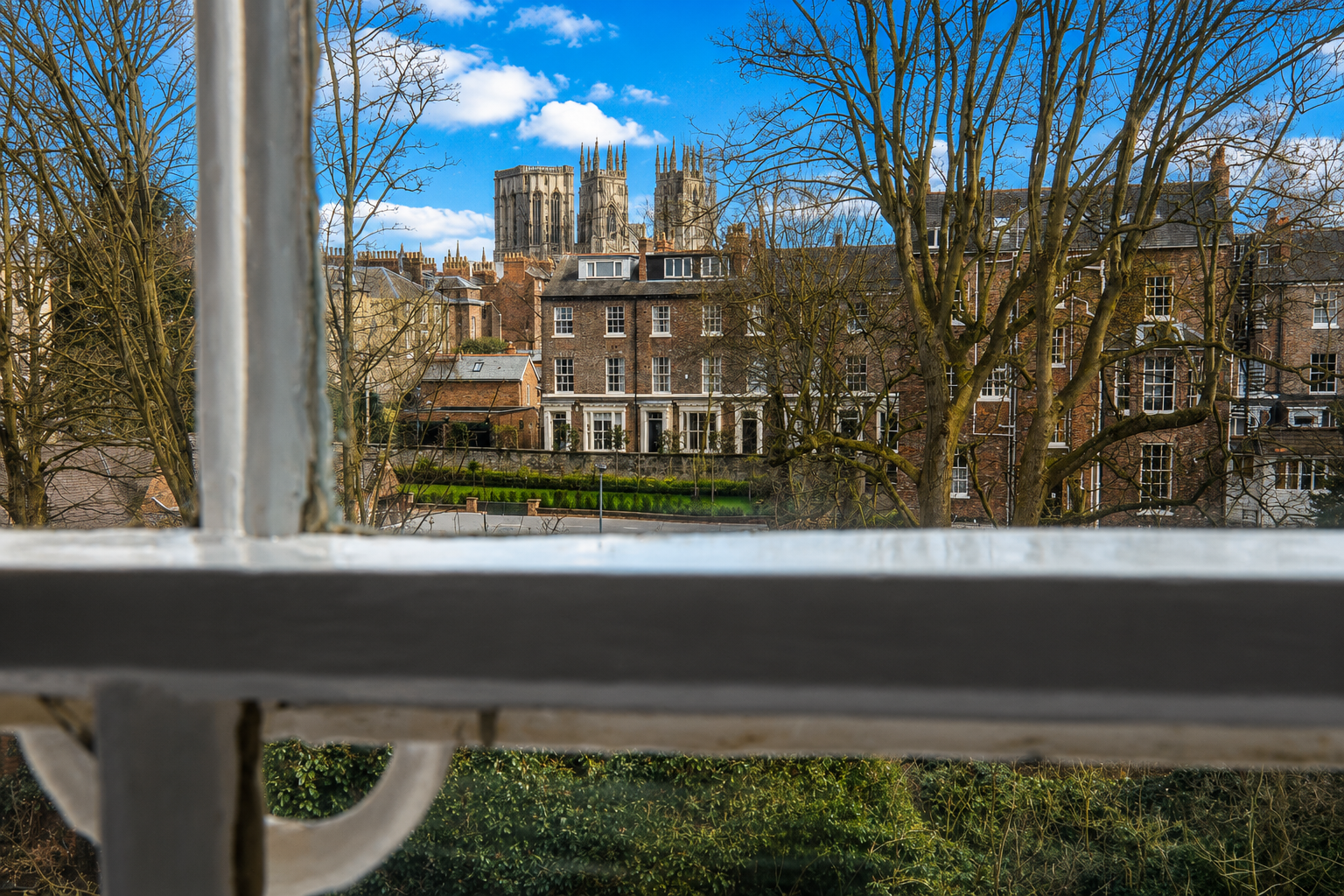
Staying in York This Summer? Here's What to Look For in a Hotel Most people booking a York break think about location first. Then parking. Then breakfast. And if you're travelling with the dog, or driving an electric car, the checklist gets longer still. At Hedley House, we've thought about all of it - so you don't have to. Getting Here (and Getting Around) York Railway Station is a 6 to 7 minute walk from our front door, all on level ground with no steps to navigate. If you're arriving by train, you're unpacking within minutes. Driving? We have secure, off-street parking on site - which, if you've ever tried to park in York city centre, you'll know is genuinely rare. No hunting for street permits. No circling the streets. Just pull in and relax. Electric vehicle? We have two dedicated EV charging points, available at £20 per night. Book ahead and we'll make sure one's ready for you. Add it on ... We serve a hearty Yorkshire breakfast and you can add it to your stay when you book. Some guests like to head out early and grab something in the city - others want a proper sit-down start before a full day of exploring. Either way, the option is there. Your Room Every room at Hedley House is ensuite. We also have two air-conditioned deluxe rooms for those warm summer nights - with more being fitted this year. If you'd like one of those, just mention it when you book. Need more independence? Our self-catering apartments give you your own space with the added comfort of everything the hotel has to offer on your doorstep. Bringing the Dog? We have three dedicated dog-friendly rooms, so booking early is essential - they go quickly. One dog per room, and we ask that your dog isn't left alone in the room at any time or on the hotel beds. Other than that, they're very welcome. Your four-legged companion can even join you in the bar for a drink at the end of the day. Just call us to book - 07428 917515 - and we'll get you into the right room. Wind Down After a Day Out York on foot is one of the great city experiences. After a full day of it, our wellness facilities are waiting. Hot tub - £15 per person Sauna and cold plunge - £15 per person All three together - £20 per person Gym - complimentary for all hotel guests Prefer something a little gentler? Our hot yoga studio runs classes for all levels - from complete beginners to seasoned practitioners. Whether you want to stretch out properly after a long day of sightseeing or start your morning with an energising flow, there's a class to suit you. We also have a beauty and massage therapy room on site. Book a treatment, sink into the hot tub afterwards, and the day's walking will feel like a distant memory. What's On in York This Summer York is busy this summer - in the best possible way. Live at York Museum Gardens is running from 9 to 12 July, with OMD headlining Thursday, Self Esteem on Friday, and Super Furry Animals on Saturday. The York Comedy Festival - featuring Russell Howard, Ross Noble and Joanne McNally - closes things out on Sunday. Just a 5 minute walk from the hotel - you couldn't ask for a better base. Later in the summer, York city centre transforms for Yorkshire Day from 30 July to 2 August - with a seaside-themed fun zone on Parliament Street, a makers market, fairground rides, and a free self-guided Seagull Trail around the city. Great for families. Art lovers might want to head slightly further afield - North Yorkshire Open Studios is staging a major exhibition at Ampleforth Abbey from 11 to 19 July, with more than 60 artists exhibiting in a stunning Grade I-listed setting. And if theatre is more your thing, the York Mystery Plays and a full programme at York Theatre Royal and the Grand Opera House will keep you busy throughout the season. Staying a While? Here's One for You Planning a longer stay in York? Book 9 nights directly through our website and your 10th night is on us. No fuss, no small print - just book online at www.hedleyhouse.com and the offer applies to all room types. York rewards those who take their time. There's always another street to wander, another pub to find, another view of the Minster you hadn't seen before. Ten nights gives you room to breathe. One last thing We're a family-run hotel. Greg and Lou, who own Hedley House, have been doing this for a long time - and the team around them has too. You'll notice the difference. York city centre is 10 minutes on foot. The River Ouse is on your doorstep for morning walks or runs. And when you're ready to head out for the day, we'll pack you a lunch. Call us on 07428 917515 or visit www.hedleyhouse.com to book your stay.